

‘You can’t lead from 50th place’: Florida trails nation in teacher pay again: NEA report
Tallahassee Democrat | By Alaijah Brown | May 1, 2025
But a state spokesperson said ‘the politically driven teacher’s union continues to manipulate data to fit their narrative.’
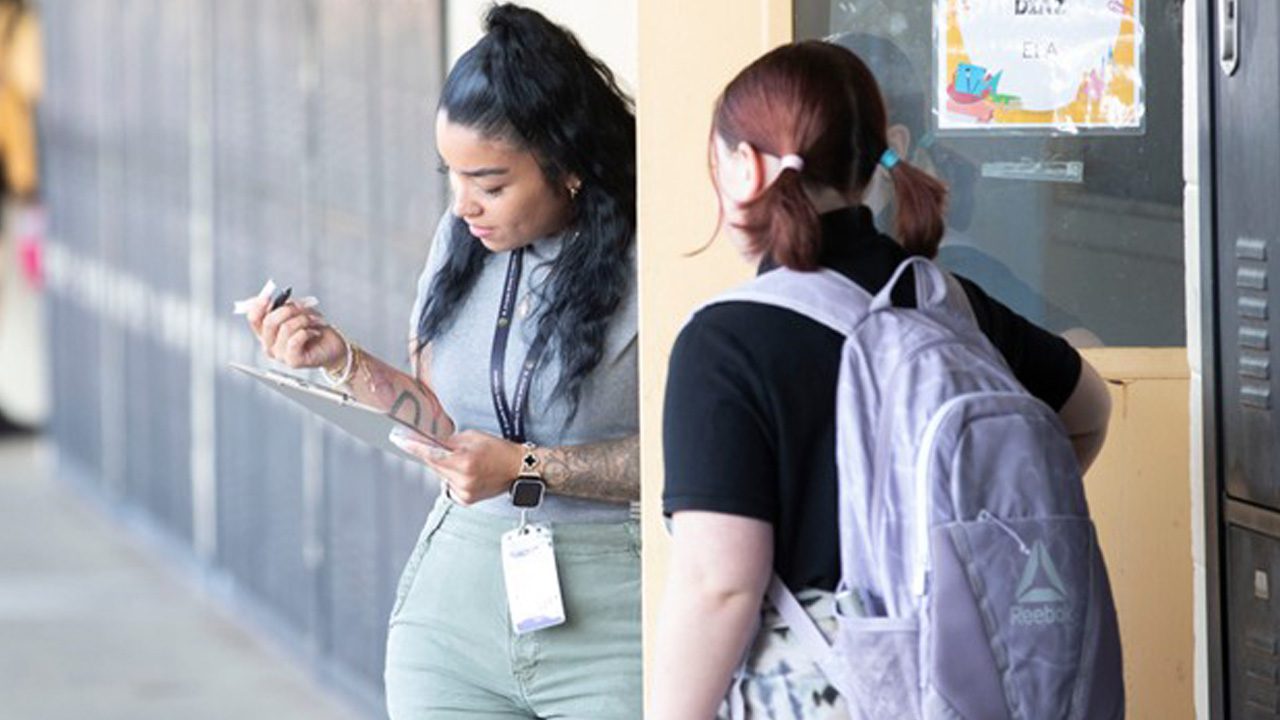
For the second year in a row, Florida has placed last in the nation for teacher pay, according to data collected by the National Education Association.
The report released April 28 shows the average teacher salary to be $54,875. The minimum living wage for a family with one child and one adult in the state is $61,002.
A representative for the Florida Department of Education said the NEA is attempting to push a false narrative with the data. It’s the largest labor union in the U.S., representing public school teachers and other education workers.
“The NEA report does not consider a variety of vital factors, such as cost of living and the absence of a state income tax in Florida, which is why the NEA has states like California ranked at the top of their list,” said Sydney Booker, the department’s spokesperson.
“While the politically driven teacher’s union continues to manipulate data to fit their narrative, Florida is delivering real results for students, teachers and families and we will continue raising the bar,” she added.
Public education advocates, however, once again are calling on state lawmakers to raise teacher pay by sending more money to public schools in the next fiscal year. This year’s legislative session is set to end May 2 but without a state budget for 2025–26, with lawmakers having return to Tallahassee to finish the yearly spending plan.
“Florida’s lawmakers say they want to lead in public education, but you can’t lead from 50th place,” Florida Education Association President Andrew Spar said. “Florida’s 50th place ranking two years in a row is undeniable evidence that what politicians are doing right now simply isn’t working.”
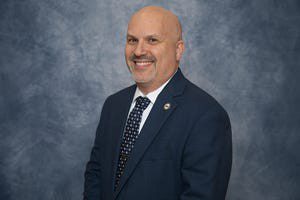
Andrew Spar
Katie Betta, spokesperson for the Florida Senate, said the state does not set teacher salaries. That’s decided by school districts. However, Spar said the state does put aside money to districts for teacher salary increases.
The starting salary for teachers in Leon County Schools, for example, is $47,500 and the average teacher salary is about $50,450, according to the Leon Classroom Teachers Association President Scott Mazur. Florida’s average teacher salary increased by 3.3% last year, but the report says the gain is not enough to pull Florida out of last place because it doesn’t address inflation and a rise in cost of living.
“Educators aren’t asking for riches – they’re asking for the chance to build a stable life, to afford to live in the communities they serve, and to lift up the next generation. They want to be able to teach without worrying about making ends meet, and to give every student the attention and care they deserve,” Spar said.
“Strong public schools are the heart of strong communities. If lawmakers truly want to lead on education, it’s time to put money where their priorities are – into neighborhood public schools where 80% of Florida’s children learn and grow every day.”
Where does Florida stand in public school funding?
According to the NEA report, Florida comes in at No. 39 for per student funding, which covers public school costs.
Per student funding is allocated by the state to school districts for program funding, teacher pay and other school support based on how many students are enrolled. For most districts, the money covers nearly half of operational costs.
In 2024, the state paid districts an average of $13,584 for each student enrolled. With that money, districts in turn purchased supplies, paid employee salaries and funded programs.
With the latest legislative budget proposals coming out of the state Capitol, public education advocates say underfunding will continue in the next school year. The Florida House appropriations committee is looking to increase the cost per student by $50. The Senate is willing to raise the cost by $66. Gov. Ron DeSantis proposed a $95 increase for the 2025-26 fiscal year. His proposal last year was $107.
“In our new environment of universal choice, where the money follows the student, our public schools are still the first choice for the majority of families,” Sen. Danny Burgess, R-Zephyrhills said. “Our budget increases per student funding for our neighborhood public schools and raises our annual investment in teacher raises to more than $1.5 billion.”
Spar said to equitably fund public school students and educators, the increase should be $1,000 per student. “If we do a thousand dollars, we could move Florida to be in the top 10 in student funding and we think that should be the goal of the legislature to adequately fund our public schools,” Spar said.
States ranking in the bottom of the barrel with Florida include Missouri at 49 and West Virginia at 48.
Public schools brace for losses
With more than 400,000 families across the state expected to cash in on free, tax-funded scholarships to attend private schools, districts are expected to lose students, and in turn, lose funding. Take Palm Beach County, which could lose $47 million in state funding with budget cuts and a rise in private school vouchers to the tune of more than $200 million.
Leon County Schools Superintendent Rocky Hanna said with vouchers on the rise, and funding from the state falling short, children and families in public school districts will be affected.
“We’re projecting that we’re going to be losing between $4 million to $5 million next year in state funding,” Hanna said. “You take that loss, and factor in additional costs for student services and more… this keeps me up at night and I am really scared about the future of our district and the financial stability that we’ve worked hard to create over the last couple of years is in jeopardy.”
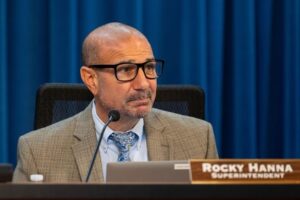
Leon County Schools Superintendent Rocky Hanna listens during a board meeting on Tuesday, Jan. 14, 2025