

Palm Beach County schools adopt limits for artificial intelligence use
The Palm Beach Post | By Wayne Washington | April 16, 2026
The Palm Beach County School District joined the growing list of school districts across the country in adopting a formal policy for how artificial intelligence can — and can not — be used by students, teachers and staff.
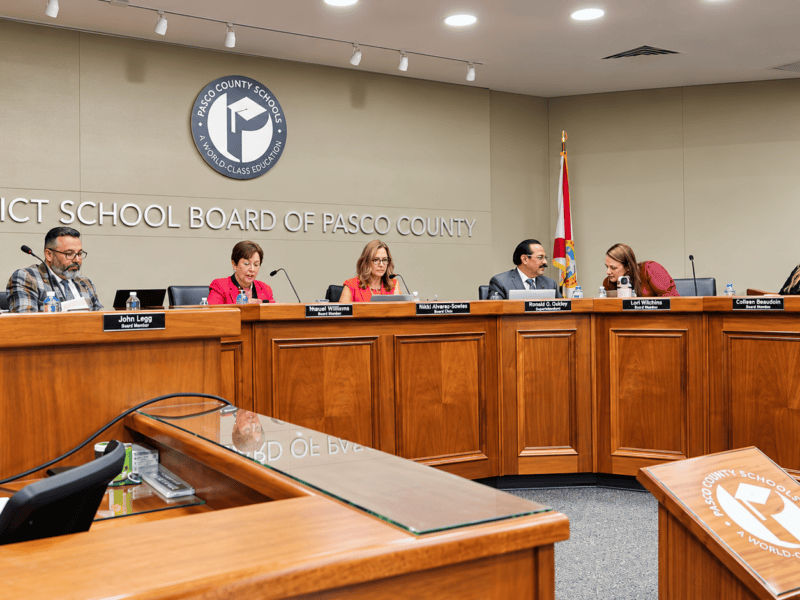
School board members approved a new policy on Wednesday, April 15, that bars students from using AI in a manner already forbidden by state or federal law and allows teachers to prohibit or limit the use of AI on any particular assignment. Students are not allowed to use AI on district-required, state or other standardized assessments like AP and IB exams and industry certification tests unless a specific, documented exception has been made.
The new policy, which goes into effect immediately, also addresses deepfakes — synthetic images, audio or video that show an individual or group doing or saying something they did not say or do.
UNESCO, the United Nations Educational, Scientific and Cultural Organization, has repeatedly warned that deepfakes contribute to anti-Semitism, Holocaust denialism and gender-based violence. They also create a “crisis of knowing,” where humans can no longer determine what is real and what is fake.
Penalties for AI use in school
The district’s new policy states: “The creation, distribution, promotion, or use of digitally manipulated artifacts, known as deepfakes, to misrepresent someone as doing or saying something they did not actually do or say is strictly prohibited. This includes the malicious use of deepfakes or any AI-generated artifact to harm, deceive, bully, threaten, embarrass, humiliate, or defame others.”
Such conduct, the policy states, “may also be subject to criminal charges under Florida law.”
Students found to be using AI in a prohibited manner “may be subject to academic penalties as well as disciplinary consequences pursuant to the student code of conduct.”
Through April of 2025, at least 28 states had adopted some type of policy on AI in school settings, according to the Education Commission of the States, a non-profit group that tracks education policy.
District officials began drafting a new policy to cover AI last year and made a presentation to school board members in November. At that time, a relatively small number of school districts across the country had AI policies in place.
“We are not reinventing the wheel,” the district’s AI presentation stated. “Any misuse of AI will fall under our existing student code of conduct. The same rules for academic honesty still apply.”
Violating the district’s rules on academic honesty can result in a zero grade on an assignment and parental notification. Repeat violations can bring more serious sanctions, including suspension.
Teachers and staff are required to ensure that their use of AI tools “aligns with district technology and ethical standards.”
Teachers and staff must complete mandatory “eLearning training” that includes acknowledging their understanding of the proper use of district technology.”
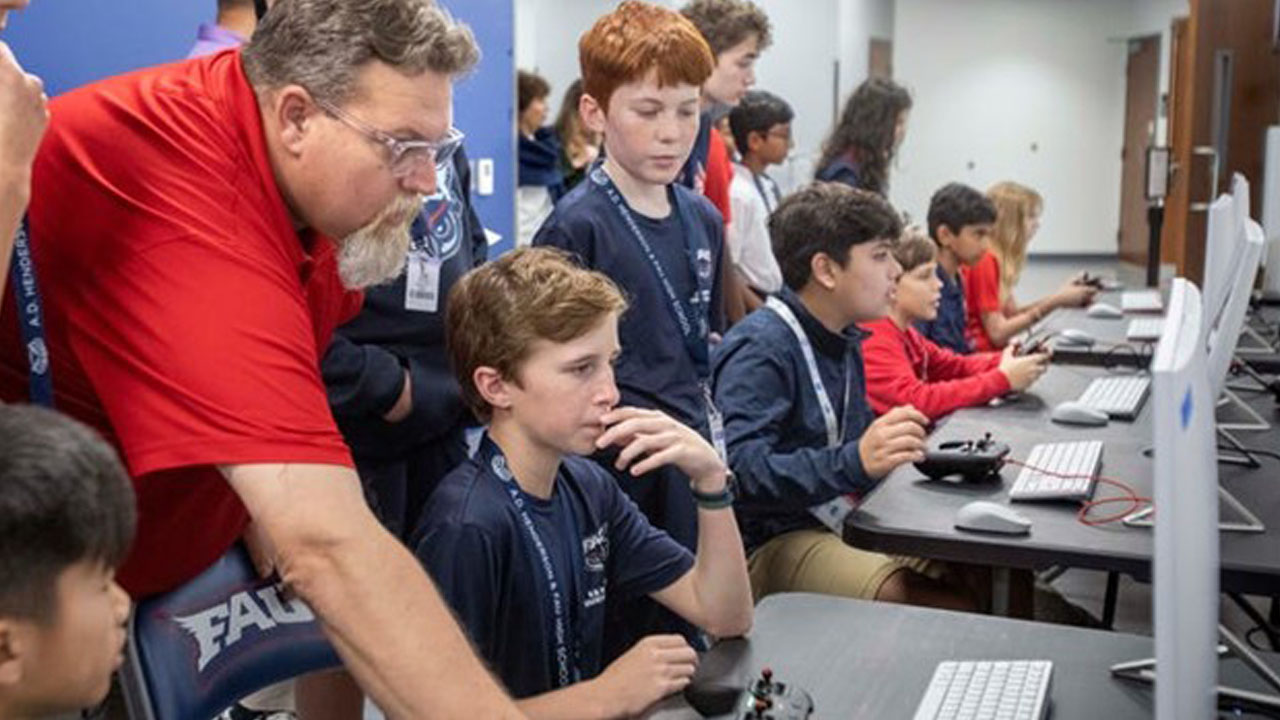
Students will receive “age-appropriate training annually” on the responsible use of AI tools.
District employees are only authorized to use resources, software applications and databases that are approved by the district’s Technology Clearinghouse Committee. They are prohibited from “solely relying on AI to make decisions about students that could significantly impact their lives, such as report card grades, graduation eligibility, or disciplinary actions.”
Because AI programs “may exhibit varying levels of accuracy and reliability,” the district policy says they “should not solely be relied upon in making critical decisions or evaluations, including about student performance or behavior.”
The district’s policy also looks to protect the privacy of students and staff, who are barred from “entering confidential or personally identifiable information into any unauthorized AI tools, including but not limited to those without approved data privacy agreements. Any sharing or dissemination of confidential information through AI-generated artifacts or other means is strictly prohibited unless explicitly authorized by law or district policy.”
Records created by AI are not to be considered official because they could contain errors.
Student use of AI-generated material in the classroom and for extracurricular activities “must adhere to the same standards of behavior and academic integrity as any other material. To uphold academic integrity, if the student uses AI for schoolwork, then the student must acknowledge the use of AI as directed by the teacher, including, but not limited to, attributing AI text, image, multimedia, etc. Students are expected to engage with AI tools in ways that support a conducive learning environment.”