

Ag commissioner says Legislature should chop ultra-processed school lunches
Florida Phoenix |
Also, pending federal legislation would ban schools receiving federal funding for lunches from serving ultra-processed foods.
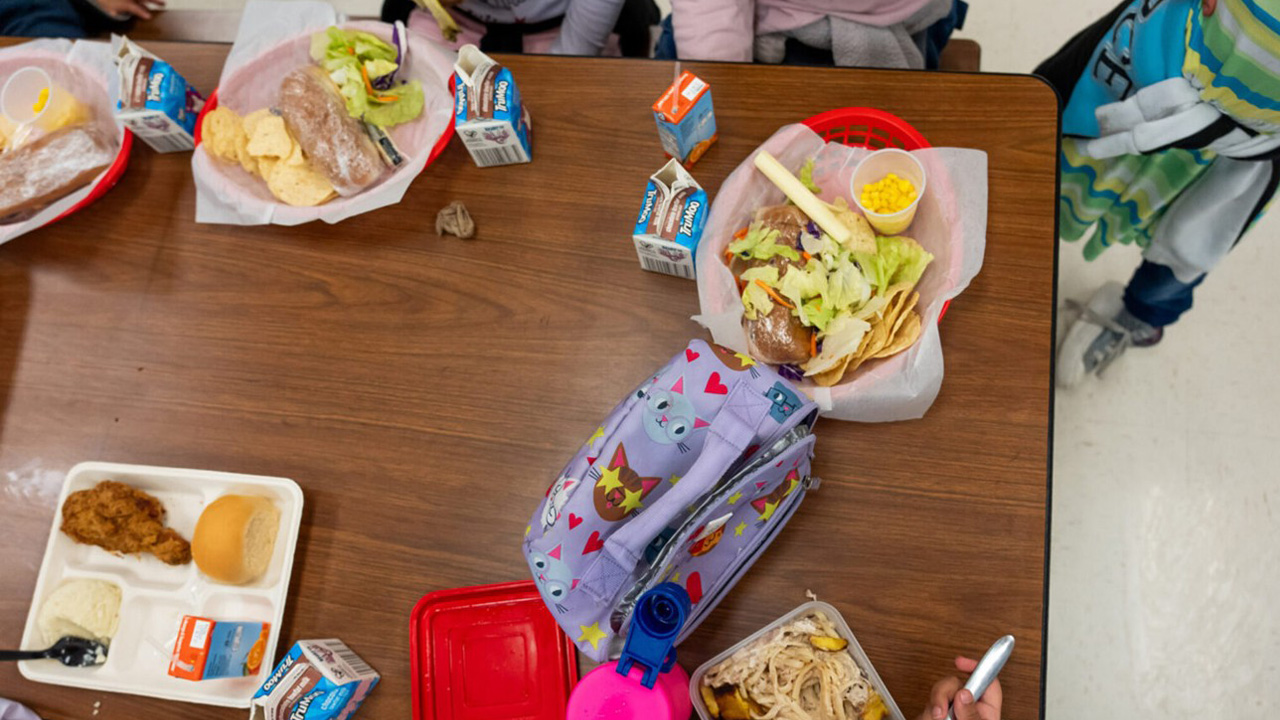
Florida’s agriculture commissioner said he is dedicated to addressing students’ “diet of ultra-processed foods,” particularly in Florida school lunches.
Following a report from President Donald Trump’s Make America Healthy Again Commission, Commissioner Wilton Simpson said, pending federal action, that he “is committed to defining and addressing ultra-processed foods during Florida’s upcoming legislative session.”
“I applaud President Trump’s leadership through the Make America Healthy Again Commission to address childhood nutrition and growing concerns related to ultra-processed foods,” Simpson said in a news release. “If bureaucratic games and barriers prevent federal action, we are prepared to take decisive measures here in Florida to define ultra-processed foods and protect our children’s health.”
Simpson went on to say that his office would continue to prioritize “Florida farmers’ fresh, nutritious products on school menus.”
Last session, Sen. Jon Martin, R-Fort Myers, introduced SB 1826, which would’ve defined the term “ultra-processed food” and prohibited schools from serving or selling it.
That bill was heard in the Agriculture Committee, but amid concerns from lobbyists in the food and beverage industry it died.
Martin has not yet introduced the measure, or similar language, for the legislative session beginning in January. The senator told the Phoenix on Wednesday that since initiatives in other states have gained traction, before he introduces a language he will align it with patchwork legislation in those states.
“I’m happy that after I filed the bills last year, presented two different bills on food safety and health along the lines of the MAHA movement, that many states as well as the federal government stepped up and put some restrictions in place on basically what you could call food,” Martin told the Phoenix.
The Food and Drug Administration and U.S. Department of Agriculture are in a rulemaking process to define ultra-processed food. That rule is in a public comment period.
His pitch to lawmakers last year was that Florida had an opportunity to lead in passing such legislation, considering the arrival of Trump’s new administration and its focus on healthier food.
“I don’t want to regulate personal choices and I don’t want to tell companies that they have to do something or that individuals have to do something, but it felt like something was broken because the choices were gone,” Martin said, sympathizing especially with those in food deserts.
What MAHA says
The MAHA assessment included research that found consuming ultra-processed foods leads to nutrient depletion and increased caloric intake, and warned against food additives.
“UPFs have allowed us to save money and to ‘eat on the run,’ but today’s over-reliance on UPFs is damaging the health of American children,” the report says.
The Trump administration cites research concluding that about 70% of 300,000 branded food products at grocery stores are ultra-processed.
The assessment focused particularly ultra-processed food’s implications for young people.
“Schools that receive federal lunch subsidies are required to follow a meal pattern that limits added sugars, sodium, and carbohydrates, but do not set limits on UPF consumption, leading to excessive intake of sugar, processed carbohydrates, processed fats, and sodium among children,” the report states.
In Congress, Rep. Mike Kennedy, R-Utah, introduced a bill that would ban schools receiving federal funding for lunches from serving ultra-processed foods.
In California, lawmakers approved a bill that would ban ultra-processed foods starting in 2035. The bill has not yet been signed by Gov. Gavin Newsom. The bill also would establish a definition of ultra-processed.