

Facing DeSantis, Ladapo vaccine proposal, Florida lawmakers are lukewarm
Tampa Bay Times | Romy Ellenbogen, Alexandra Glorioso & Lawrence Mower | September 4, 2025
Joseph Ladapo proposed ending all vaccine mandates in the state of Florida, but lawmakers must act first.
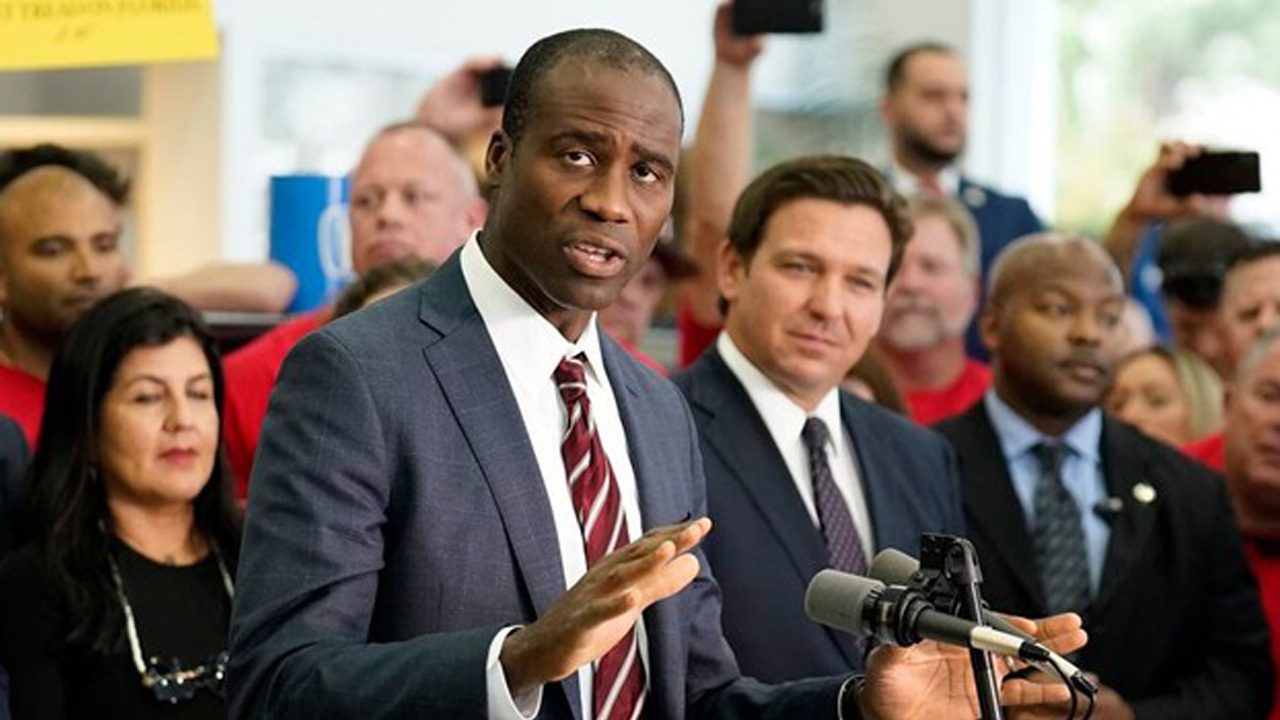
TALLAHASSEE – When Florida’s surgeon general got on stage Wednesday and boasted that Florida would push to end “every last one” of its vaccine mandates, he had spoken about the idea with the governor just the night before.
“This is where I think we should shoot for, are you OK if I do it?,” DeSantis recounted Ladapo saying, sharing that the surgeon general had called him to talk “last night.”
DeSantis said he told Ladapo to “shoot for the moon.”
That moonshot — which could make Florida the first state in the nation not to require kids to be vaccinated to attend school — sent shockwaves through America’s medical establishment and education community.
And it leaves Florida’s Republican-controlled Legislature responsible for making it a reality. But so far, the response from the state’s GOP leaders has been tepid.
Florida House Speaker Daniel Perez and Senate President Ben Albritton declined to say whether they support the idea.
Two Republican candidates vying to replace DeSantis as governor offered lukewarm support, saying they believe in parental rights but not going as far as to say they would completely remove the current mandates from law like Ladapo suggested.
And the state’s Republican senators appear divided, with U.S. Sen. Rick Scott saying Florida already has a good system in place, while U.S. Sen. Ashley Moody said in a Newmax interview that Ladapo’s proposal was building on a “reasoned analysis.”
It’s unclear what the DeSantis administration’s proposal is. The Department of Health has not released specific details or a draft bill.
Legislative action
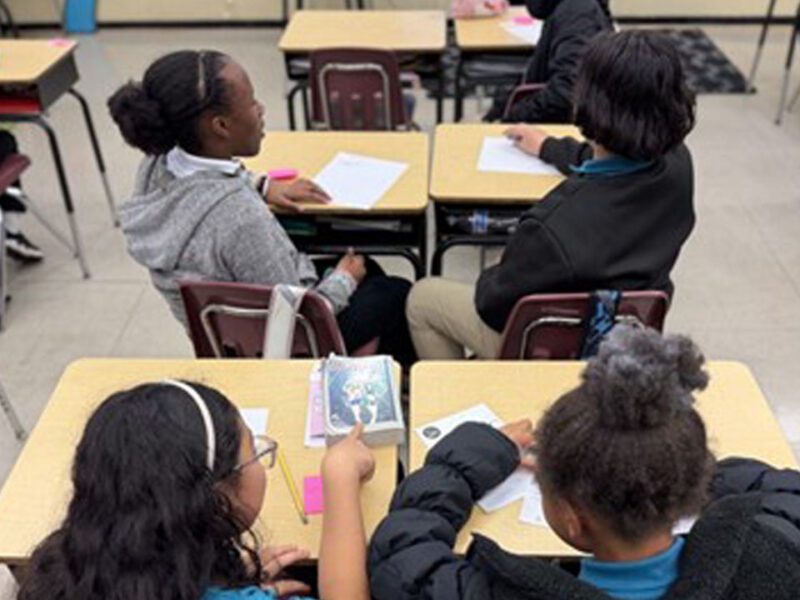
Since 1971, Florida law has required students attending public or private school to get vaccinated for certain diseases like measles, polio and tetanus. Current law allows children to be exempted from the mandate based on medical or religious reasons.
DeSantis said the surgeon general would take the lead on a “big medical freedom package” for the Legislature, but on Wednesday said he didn’t think Ladapo had yet discussed eliminating vaccine mandates with lawmakers.
Sen. Gayle Harrell, a Stuart Republican who was vice chairwoman of the Senate Health Policy committee last legislative session, said she would have to see the proposal before commenting.
“I do have some questions,” Harrell said.
Harrell didn’t say what her questions were.
The chairwoman of the committee for the 2025 session, Sen. Colleen Burton, R-Winter Haven, didn’t respond to a request for comment in time for publication. Neither did other Republican state lawmakers who lead health committees including Rep. Josie Tomkow, R-Polk City; Rep. Kaylee Tuck, R-Lake Placid, and Sen. Erin Grall, R-Vero Beach.
Rep. Adam Anderson, R-Palm Harbor, was the chair of the House Health Care Facilities & Systems Subcommittee last session. Committee assignments for the upcoming 2026 session have not been released.
Anderson said he can’t take a position without knowing what’s on the table, but said that many members in the House, including himself, “are in favor of medical freedom.”
He said he believes it should be parents, not the government, who decide what vaccines their children receive. But he also said there has been a “long track record of successful vaccines in certain areas.”
“I think the fundamental question is, what role should the government play in a child or a family’s health care?” Anderson said. “And to what extent does the government intervene for, you know, broader public health? That’s delicate.”
Rep. Alex Andrade, a Pensacola Republican who was chairman of the House Health Care Budget Subcommittee last session, said he didn’t know what he would change in state law, if anything.
“I think the government’s role in this circumstance is well balanced,” Andrade, who said his children were vaccinated, told the Times/Herald. “We already allow parents who are more skeptical than I am to opt out, and still allow their children to go to school.”
Andrade questioned why Ladapo had changed his position on vaccines since he was confirmed by the Senate in 2023 when he called the current immunization requirements in schools “appropriate.”
“The Florida statutes provide mandated vaccines along with an opportunity for families, parents who believe otherwise, to opt out,” Ladapo said at the time. “And I think that’s appropriate.”
A spokesperson for the Department of Health did not immediately respond to questions about why Ladapo changed his position. The spokesperson also did not respond to questions about when Ladapo began planning his proposal to remove all vaccine mandates, nor did a spokesperson for the governor’s office.
Without the Legislature
Though Ladapo’s sweeping proposal will need legislative approval, there are changes he and DeSantis have planned for vaccine mandates that can happen without lawmakers’ involvement.
Florida statute requires vaccines for the following: polio, diphtheria, measles, rubella, whooping cough, mumps and tetanus. It also allows the Department of Health to set rules requiring vaccines for other diseases as they determine.
Currently, the department requires four vaccines beyond what’s in law: Varicella, or chickenpox; Hepatitis B; Haemophilus influenzae type b, or Hib; and Pneumococcal conjugate, or PCV15/20.
DeSantis’ proposal is to have the health department drop those requirements. That would happen through a rule change, said Katie Young, a spokesperson for the Department of Health.
As part of that rule change, Young said the department will also seek to broaden current exemptions for vaccines. Instead of relying on a religious exemption, Young said the state intends to let parents opt their children out because of a personally held belief.
Several states, including Washington, Texas, Pennsylvania and Ohio allow for religious and personal exemptions to vaccine requirements, according to the National Conference of State Legislatures.
Under current exemptions, the number of vaccinated children in Florida has already been on the decline. Pre-pandemic, about 94% of Florida’s kindergartners were vaccinated, according to state data. Last year, about 88% of kindergartners were.
The Department of Health has not yet initiated the rule change, which is a process that can take around two to three months.