

Florida budget keeps full funding for AP, IB school programs next school year
During recent budget negotiations, the Florida Legislature backed away from a plan to slash funding for Advanced Placement and other college-level classes taken by thousands of high school students statewide.
That plan, which upset parents, educators and students, would have cost school districts millions of dollars and jeopardized their ability to offer the accelerated classes students take to earn college credit.
The budget the Legislature approved Monday fully funds the programs, but through a grant rather than the enrollment-based model used in previous years. That left school district leaders both relieved but unsure how the new system will work.
Angie Gallo, an Orange County School Board member, said she was “very thankful” that the state fully funded the programs.
“We just need to get into the weeds on the new requirements and what that means to our district,” she wrote in a text message.
Orange County Public Schools had estimated it would lose nearly $17 million if the state slashed the funding as first proposed.
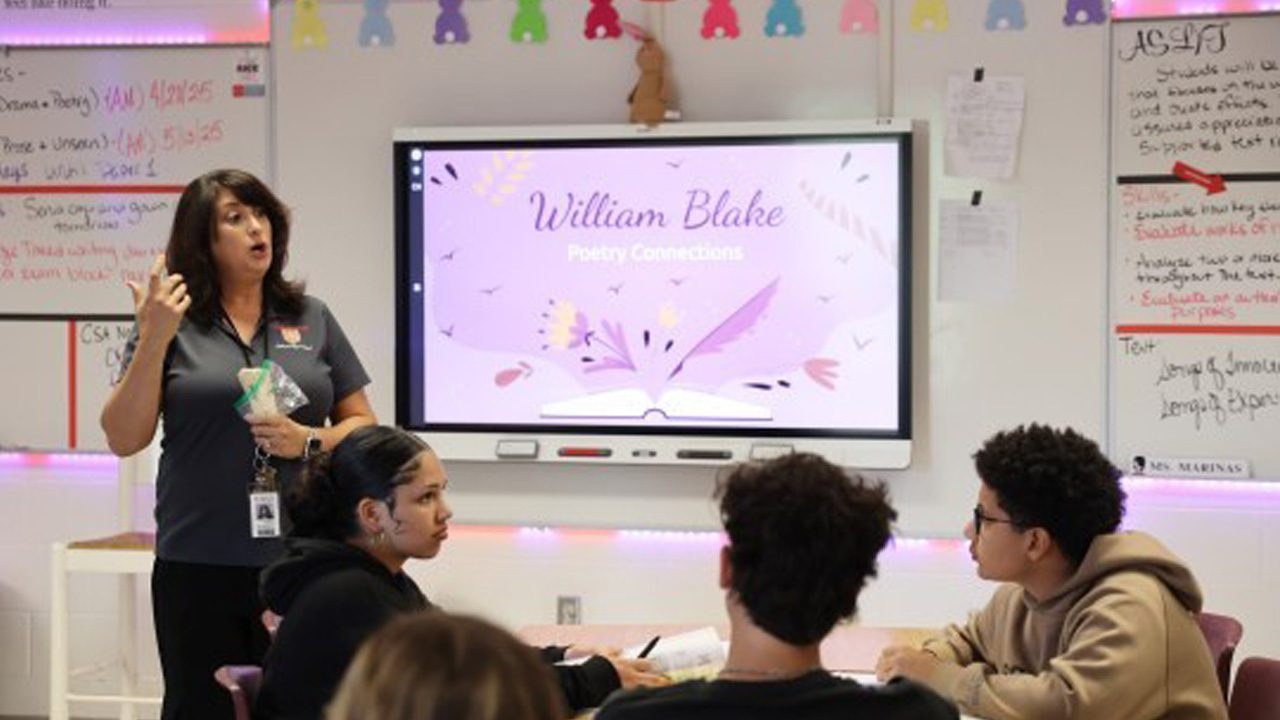
OCPS and school districts across Florida said that the proposed cuts would have threatened their ability to offer an array of classes high school students now use to earn college credits for free, including AP, International Baccalaureate, Cambridge AICE and dual enrollment at state colleges. The change also could have shifted exam costs to families. And that could have left students struggling to pay hundreds of dollars in testing fees or opting out of the advanced classes all together.
More than 110,000 students took AP, IB, AICE, dual enrollment or career education courses in Florida last year, according to the Legislature.
The budget calls for the state to fund the programs through a grant to the school districts called the “Academic Accelerations Options Supplement,” breaking away from a per-student model.
There are “some unknowns” about how that new funding model will impact school budgets, said John Pavelchak, Seminole County Public Schools’ chief financial officer, as school board members held their first discussion about this year’s state funding for public schools.
Sadaf Knight, the CEO of the Florida Policy Institute, praised the Legislature for restoring the funding. The policy institute had called the programs a success and urged lawmakers not to reduce spending on them.
“We are pleased that proposed cuts to these programs have been reversed — thanks to an upswell of advocacy from public school parents, students, teachers, and communities,” she wrote in a statement.
The Florida Education Association, the statewide teachers union, also lauded the legislature’s turnabout, but noted it was wary of the new funding system, which it said could potentially restrict “district flexibility in how those funds are used” and reduce transparency.