


Florida reduces competency requirements for school media specialists
Tampa Bay Times | By Divya Kumar | July 17, 2025
Weeks after the state Board of Education tore into Hillsborough County’s media specialists over age-appropriate books on school shelves — including one member who suggested the county fire them all — the board voted to amend the state’s competency and skill requirements for all media specialists across the state.
The last time those requirements for media specialists were amended was in 2009, and some parents and community members then expressed dire concerns that the state was lowering standards for media specialists in light of a heated political battle over books.
The new requirements have eight outlined sections, compared to 25 before. The previous standards included sections for adhering to professional ethics and means for providing “equity, diversity, and global perspectives.” The previous versions had greater focus on reading comprehension and vocabulary skills, and identifying outstanding authors and illustrators and “standardized techniques to maintain bibliographic integrity.”
The new version omits much of that, and places greater emphasis on state compliance, such as using “tools for evaluating, selecting, and weeding print and digital resources and library materials on an ongoing basis to meet the specific needs of the learning community and adhere to the Florida Statutes and State Board of Education rules.”
The item was on the board’s consent agenda to pass without discussion, but members of the public raised concerns.
Stephana Ferrell, co-director of the Freedom to Read Project, said she was worried about what the new standards could mean.
“The proposed changes for media specialists eliminate vital references to national standards on intellectual freedom, leaving confusion when state law conflicts with directives from this board,” she said.
Ferrell pointed to Escambia County, which voted to get rid of more than 400 titles after the state’s strongly worded letterto Hillsborough County.
“While process takes time, it also protects our children’s first amendment rights,” she said. “(It) ensures one citizen across the state cannot dictate the reading boundaries I get to set for my children.”
Jane Aman, a lecturer at the University of Central Florida, said she couldn’t imagine her lifewithout the support of experienced librarians and media specialists.
“The wonder I got to experience walking through the stacks of my school’s resource center and selecting my next challenging read is something I hope all kids get to experience,” she said. “Well-trained media specialists are a fundamental part of a healthy school ecosystem.”
In 2022, Florida passed a law requiring trained media specialists to approve all materials in school libraries. The next year, they passed a new law expanding the definition of unsuitable material, and this year a proposed bill to expand that definition failed.
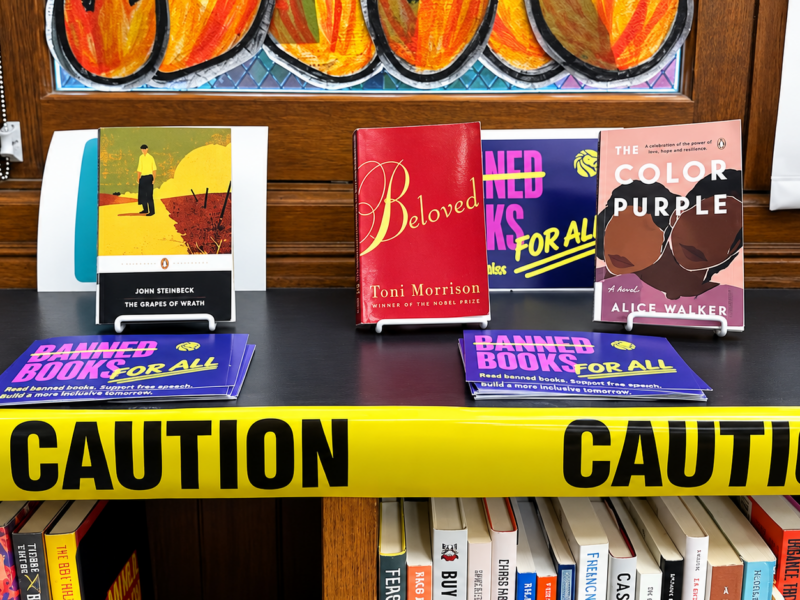
But Hillsborough and its media specialists still came under fire after the state sent a scathing letter about certain books — which had not received official complaints been complained about through existing processes — remaining on shelves. They grilled superintendent Van Ayres, who pledged to yank those books and more.
Education Commissioner Anastasios Kamoutsas balked at the suggestion that the board was trying to diminish the role of media specialists, noting that to last year’s state teacher of the year was a media specialist from Bay County.
“To suggest that the department or the commissioner, whether it was Manny Diaz or myself, don’t value the work of media specialists, it’s just a false narrative,” he said.
Juan Copa, deputy commissioner for the division of accountability, said the changes were part of routine updates to competency and skill requirements in any division.
“There’s a greater focus on an adherence to the rules, laws and regulations, policies and principles related to the role of education media specialists,” he said.