


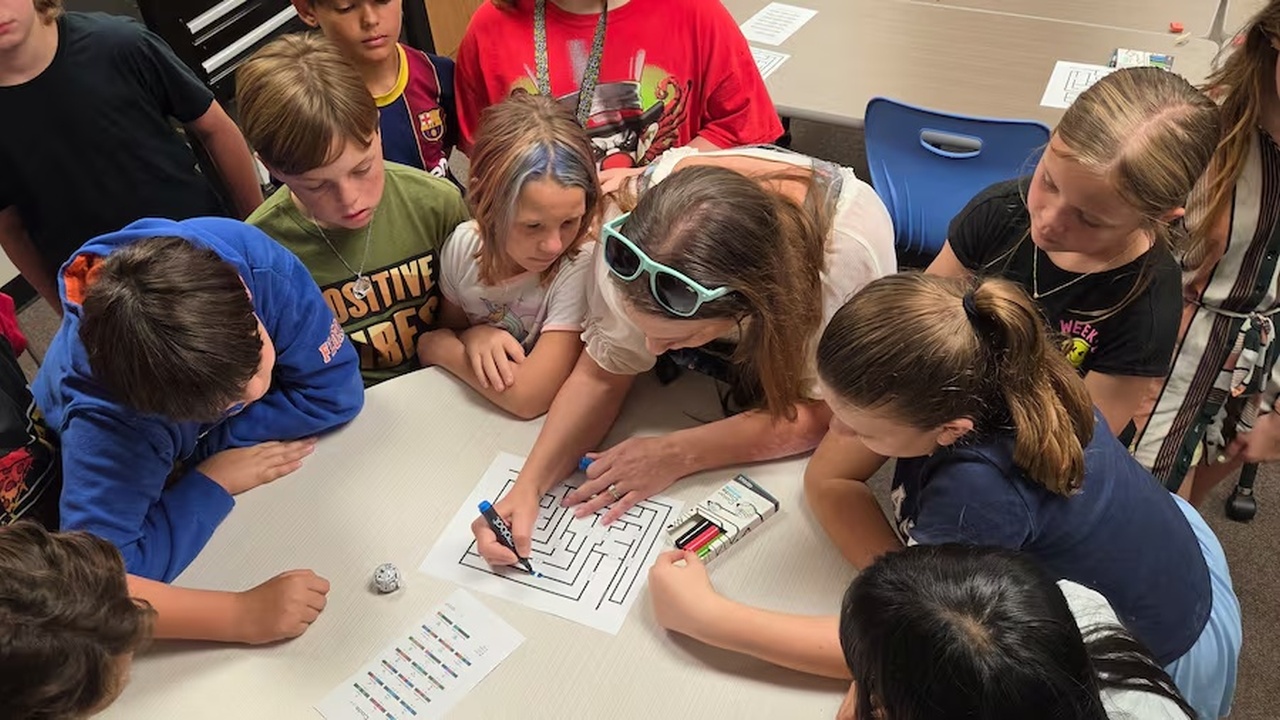
Pasco schools to cut back student screen time
The goal is to get children more comfortable with skills before turning to technology
Tampa Bay Times | By: Jeffrey S. Solochek | July 28, 2026
Instead, they’ll get added direct, hands-on lessons aimed at solidifying their base skills and content knowledge, with devices playing much more of a limited supporting role.
The district is recommending no more than a half-hour daily screen time for kindergarten and first grade, no more than an hour for grades 2 through 8, and flexible use no more than an average of 90 minutes daily in high schools.
“Teachers own the instruction, not the technology,” superintendent John Legg said, stressing the importance of developing what he called analog skills such as listening, taking notes, studying and organizing thoughts.
There’s no plan to get rid of classroom technology, said Nena Green, district executive director for elementary schools, who spearheaded a committee that developed the new guidelines rolled out this week.

The shift emerges two years after the district adopted strict limits on cellphones in classes, and just months after it unveiled principles for artificial intelligence use to go along with test runs of AI programs to determine if they fit teachers’ needs.
It dovetails with a national transition away from screen time for children. Four states — Iowa, Utah, Tennessee and Alabama — took steps this year to limit digital instruction, with others taking a close look at the possibilities, as Stateline has reported.
In Florida, other counties including Hillsborough and Broward also have explored controls on the amount of time students spend in front of school devices, with Broward also giving parents access to track their children’s usage.
“Research shows students are immersed in technology too much, too early,” Legg said.
A 2025 study by Canadian researchers, for instance, found that screen exposure in early childhood appeared to negatively impact academic performance in elementary and middle school. Another 2025 study published by the Centers for Disease Control reported associations between high screen time and poor health among teenagers.
School board member Jessica Wright, a high school social studies teacher, said she was most concerned about young learners in kindergarten through second grade not gaining the reading and writing expertise they need because of reliance on computerized programs.
If the district’s new approach can tackle that deficit, Wright said, that itself would be a success.
Green stressed, though, that the initiative will go into effect for all grade levels. It just will look different for each age and grade level, she said, adding that sometimes a teacher also might differentiate the effort among students depending on individual needs.
Teachers are scheduled to receive the recommendations during their planning week, to help them understand the concept and prepare upcoming lessons. Legg made clear that the goal is to assist teachers in accomplishing the goal, and not to punish anyone for not following the document to the letter.
It’s a guideline, not a checklist, he said.
There’s no single correct way to reduce dependence on technology, after all.
“The incorrect way is to sit and do nothing,” Legg said, adding that he hoped parents also will pay attention to the effort and do what they can at home. “We’re not here to parent students. … Parents have to be our partners.”