


Special education head at Education Department abruptly resigns
WLRN | By: Jonaki Mehta | September 9, 2026
Kelly Rogers told employees Wednesday that she is resigning from her post overseeing special education at the U.S. Education Department as the agency is in the midst of upheaval and downsizing.
Rogers, who has been overseeing the Office of Special Education and Rehabilitative Services (OSERS) since May, announced her departure less than a day before much of her staff were scheduled to move to the Department of Health and Human Services building in Washington D.C., according to internal emails reviewed by NPR. She was supposed to continue overseeing those staff from her perch at the Education Department. Now, it is unclear who will serve in the role after she leaves on Sept. 11.
One of the main things OSERS does is support states and schools with programs for people with disabilities, including the implementation of the Individuals with Disabilities Education Act (IDEA). It also manages about $15 billion in federal funding supporting students with disabilities.
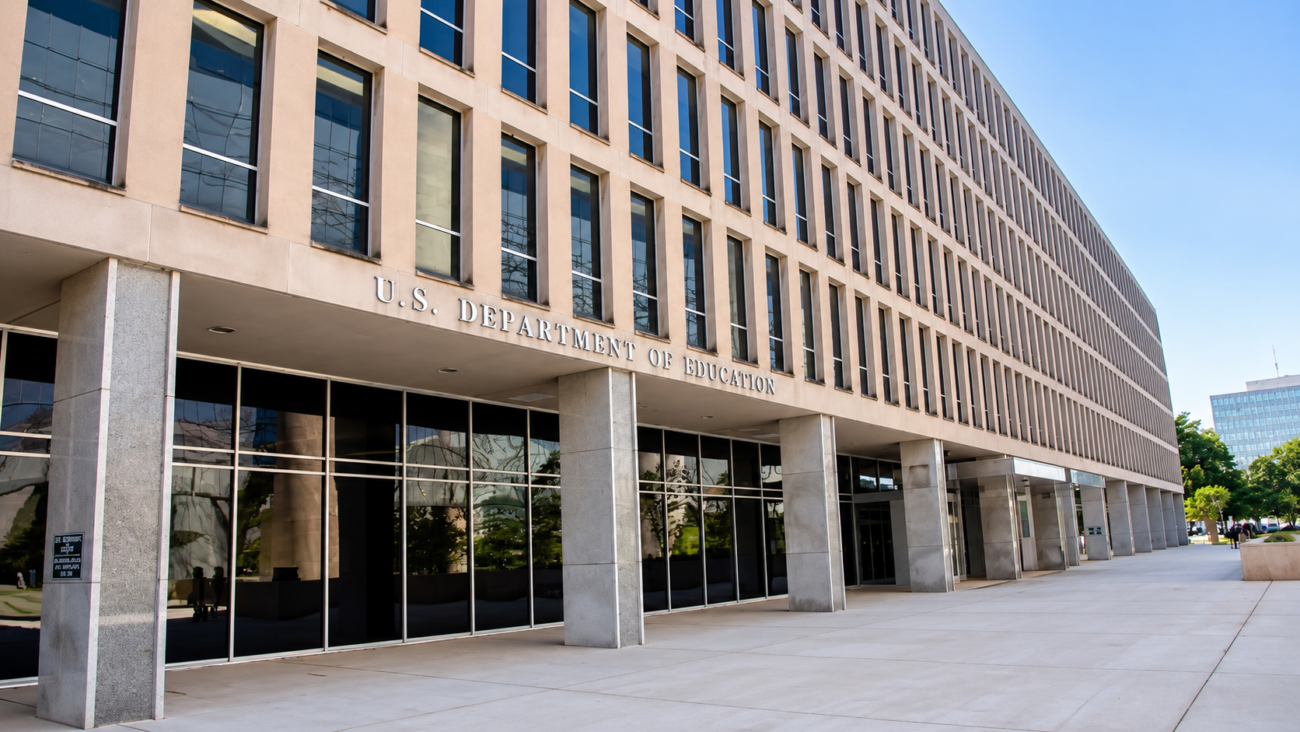
The move of special education offices to HHS is part of the Trump administration’s historic actions to dismantle the Education Department altogether.
“I have made the decision to resign from my position as Deputy Assistant Secretary/Acting Assistant Secretary for OSERS to return home to Florida, effective September 11, 2026,” Rogers wrote on Wednesday morning to staff. “While I am stepping away, I remain confident in the team’s ability to continue moving forward with strengthened outcomes for individuals with disabilities through the HHS partnership.”
Education Department Press Secretary Savannah Newhouse confirmed Rogers’ forthcoming departure in an email to NPR and said, “We thank her for all of her hard work and dedication to bettering education and employment outcomes for individuals with disabilities.”
NPR also requested an interview with Rogers, to which the department did not immediately respond.
Some staffers say they were caught by surprise, especially at the timing of Rogers’ resignation. “We’re all shocked,” said one OSERS employee who asked NPR not to use their name because they aren’t authorized to speak publicly.
Disability rights advocates have widely condemned shifting special education staff to a different agency. When the transfer was first announced, Denise Marshall, CEO of the Council of Parent Attorneys and Advocates (COPAA) said, “This proposal appears to add another layer of bureaucracy while creating additional confusion and uncertainty for families, educators, and state agencies.”
Rogers’ brief tenure
The Education Department has at least 14 ongoing interagency agreements (IAAs) with other federal agencies — agreements that allow agencies to collaborate more closely, but also involve physically relocating many employees from their offices at the department to others. Rogers was brought in to oversee the IAA between the special education offices and HHS in May. She expressed enthusiasm about the changes. When she introduced herself to staff at a conference earlier this summer, she spoke about her decades of experience overseeing Florida’s state programs for people with disabilities. She has served as the director of Florida’s Division of Vocational Rehabilitation and overseen the state’s implementation of IDEA.
“I am intimately familiar with the work you do and the roles you have, because I have been in your shoes,” she said, according to a recording of the speech obtained by NPR. She went on to say that the most important experience she brought to her work at OSERS was as a mother. “My two adult children just absolutely shaped my perspective, especially my son, who was diagnosed with autism,” she said. The same OSERS employee said, “We were pretty hopeful when she first started based on her credentials.” They continued, “It became apparent pretty quickly that she was more interested in toeing the company line and using all the terms like ‘bureaucracy’ and ‘red tape’ than actually doing good work for our kids.”
NPR asked the Education Department to respond to criticisms of Rogers’ working style as a leader, but it did not respond immediately. At that same June conference, Rogers talked about her plans for working with HHS. “Together, we can modernize oversight. We can reduce barriers. We can invest wisely,” she said.
It is unclear who will fill Rogers’ role moving forward. Nearly all of her staff are scheduled to start working at HHS, either in person or remotely, beginning Thursday — about a block away from their current home at the Lyndon B. Johnson Building. “Now that the staff are physically moving, and one of those people is taken out, it adds even more confusion because now there’s not clarity as to who’s overseeing this outsourcing of special education through the IAA,” said Chad Rummel, chief executive officer of the Council for Exceptional Children, an advocacy group and professional organization.
On top of the staffing and physical changes to the Education Department, Rummel points out that the president’s budget proposal for the coming fiscal year 2027 would cut over 80% of OSERS staff. He said if that proposal becomes reality, he has deep concerns for the rights of students with disabilities.